Fiery Kebab Warrior
Fiery Kebab Warrior is a 2024 desi action-arcade mobile game developed and published by Daman Games, an Indian gaming studio known for creating culturally rooted entertainment experiences. Blending the vibrancy of Indian street food culture with fast-paced gameplay, the game has quickly become a favorite among mobile gamers in India and beyond, offering a unique mix of nostalgia, masti, and paisa vasool entertainment.
Set against the backdrop of iconic Indian cities—from the narrow lanes of Lucknow’s kebab hubs to the bustling streets of Mumbai—the game follows the journey of Raju, a humble dhaba owner whose secret kebab recipe (passed down through generations) is stolen by a greedy business tycoon. What follows is a thrilling quest filled with spice-fueled battles, quirky enemies, and a celebration of all things desi.
💡 Fun Fact: The game’s core mechanics were inspired by the creators’ love for street food—each power-up, weapon, and level design draws from real-life Indian culinary experiences, from mango lassi shields to skewer swords modeled after traditional kebab grills!
Gameplay
Fiery Kebab Warrior’s gameplay is designed to be intuitive yet challenging, catering to both casual gamers and hardcore arcade enthusiasts. The game follows a side-scrolling action format, with Raju (the protagonist) navigating through 5 distinct worlds, each based on a famous Indian city known for its street food. Each world features 20 levels, culminating in a epic boss fight against a villain tied to the stolen kebab recipe.
Controls are optimized for mobile devices: players swipe left or right to move Raju, tap to launch basic attacks (using his trusty skewer), and hold down the attack button to charge a “Spice Blast”—a powerful move that deals massive damage to multiple enemies. Swiping up makes Raju jump, while swiping down lets him duck or slide under obstacles (like flying samosas or rolling chana masala bowls).
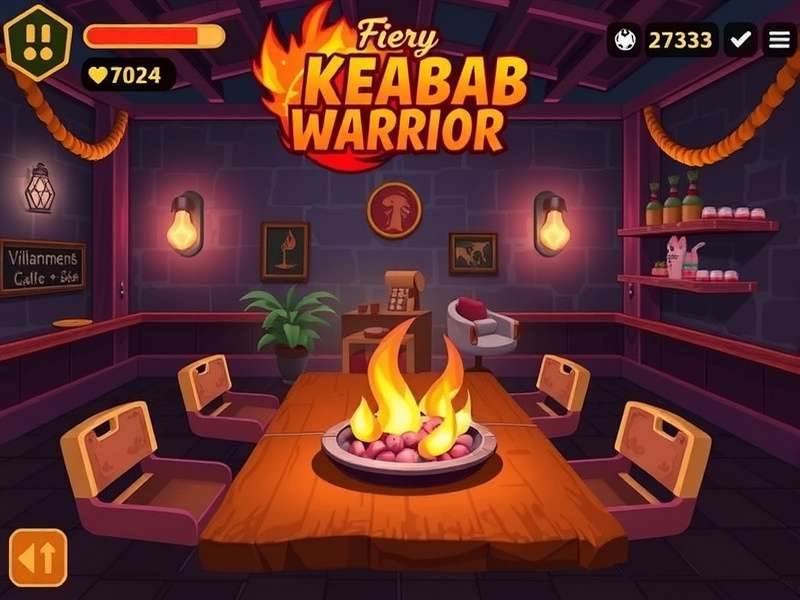
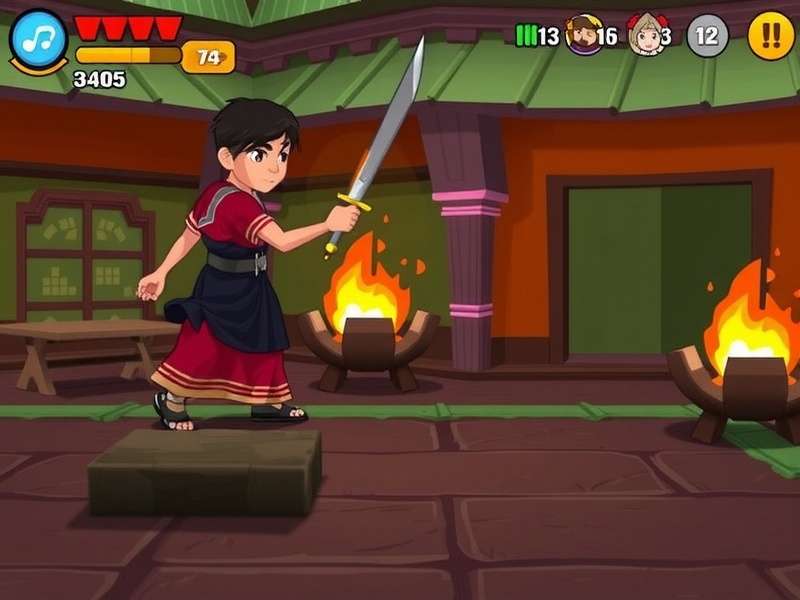
Fiery Kebab Warrior’s gameplay showcases Raju battling enemies in Lucknow’s kebab district.
Power-Ups & Collectibles
A key highlight of Fiery Kebab Warrior is its desi-themed power-ups, which add a fun, cultural twist to the action. These power-ups are scattered throughout levels or can be purchased from in-game NPCs (like Chacha Ji, the wise old kebab maker) using “Spice Coins”—the game’s currency earned by defeating enemies and completing challenges.
- Mango Lassi Shield: Grants Raju temporary invincibility, with a vibrant yellow aura that repels enemy attacks. Lasts for 10 seconds and can be upgraded to last 15 seconds by collecting 3 lassi bottles.
- Garlic Naan Armor: Increases Raju’s defense by 50%, making him resistant to enemy projectiles (like chili flakes or burning oil). The armor breaks after absorbing 3 hits.
- Paneer Tikka Boost: Doubles Raju’s attack power for 8 seconds, turning his skewer into a flaming weapon that sets enemies on fire. Perfect for taking down tough foes like “Chilli Champs” or “Naan Thugs.”
- Chutney Blaster: A limited-use weapon that fires a burst of green mint chutney, freezing enemies in place for 5 seconds. Ideal for escaping tight spots or grouping enemies for a Spice Blast.
- Saffron Saffire: The rarest power-up, found only in secret levels. Grants Raju a one-time “Invincible Kebab” that instantly defeats all enemies on the screen and restores full health.
Collectibles include:
- Spice Coins: Used to buy power-ups, upgrade Raju’s stats (attack, defense, speed), and unlock costumes (like a Punjabi turban or a Mumbai dabbawala uniform).
- Recipe Fragments: Scattered across levels, these fragments help Raju recover parts of his stolen recipe. Collecting all fragments in a world unlocks a bonus level with rare rewards.
- Desi Delicacies: Items like samosas, gulab jamun, and jalebi restore Raju’s health. A full plate of “Thali Collectibles” (3 different delicacies) grants a temporary stat boost.
Levels & Boss Fights
Each world in Fiery Kebab Warrior is meticulously designed to reflect the culture and cuisine of its respective city:
- Lucknow (World 1): The “Kebab Capital” world features narrow lanes, kebab stalls, and enemies like “Tandoor Guards” and “Spice Thieves.” The boss is Zorawar’s right-hand man, “Kebab Kingpin,” who wields a giant tandoor lid as a shield and throws burning charcoal at Raju.
- Delhi (World 2): Set in Chandni Chowk, this world includes crowded markets, cycle rickshaws, and enemies like “Chaat Bandits” and “Pani Puri Pirates.” The boss is “Chutney Queen,” who attacks with a variety of chutneys (sweet, spicy, mint) and summons minions to overwhelm Raju.
- Mumbai (World 3): Features coastal streets, vada pav stalls, and enemies like “Vada Pav Goons” and “Bhel Purists.” The boss is “Street Food Sultan,” who uses a giant vada pav as a weapon and can summon tidal waves of sev (a popular Indian snack) to slow Raju down.
- Amritsar (World 4): Set near the Golden Temple, this world includes gurdwara grounds, langar halls, and enemies like “Paratha Warriors” and “Butter Chicken Brutes.” The boss is “Sarson Ka Saag Sage,” who attacks with spinning parathas and can heal himself using butter.
- Hyderabad (World 5): The final world, inspired by Hyderabad’s Old City, features biryani stalls, charminar-inspired architecture, and enemies like “Biryani Bandits” and “Mirchi Marauders.” The ultimate boss is Zorawar himself, who wields a “Royal Kebab Sword” and uses a combination of all previous bosses’ attacks.
Each boss fight requires strategy—players must learn the villain’s attack patterns and use the right power-ups to defeat them. For example, the Kebab Kingpin is weak to the Paneer Tikka Boost, while the Chutney Queen can be frozen with the Chutney Blaster to create openings for attacks.
Game Modes
Fiery Kebab Warrior offers three game modes to keep players engaged:
- Story Mode: The main campaign, following Raju’s quest to retrieve his stolen recipe. This mode takes approximately 8-10 hours to complete, with increasing difficulty as players progress.
- Endless Spice Run: A survival mode where Raju must navigate an endless stream of enemies and obstacles, collecting as many Spice Coins and power-ups as possible. The goal is to beat the global high score, with leaderboards updated in real-time.
- Dhaba Defense: A tower-defense style mode where Raju must protect his dhaba from waves of enemies trying to steal his remaining recipe fragments. Players can set up traps (like spicy oil slicks or exploding samosas) and hire NPCs (like Chacha Ji or Rani the Vendor) to help defend.
Pro Tip for New Players!
Always save your Chutney Blaster for boss fights—freezing the villain gives you precious time to land multiple Spice Blasts. Also, collect as many Recipe Fragments as possible—they unlock exclusive costumes that boost Raju’s stats permanently!
Plot
Fiery Kebab Warrior’s plot is a heartwarming tale of courage, tradition, and the love of good food—all wrapped in a desi action package. The story begins in a small dhaba on the outskirts of Lucknow, run by Raju, a 30-year-old chef with a passion for kebab-making. Raju’s dhaba is no ordinary eatery: it’s famous across Uttar Pradesh for its “Secret Spice Kebab,” a recipe passed down from his grandfather, who was once the royal kebab maker for the Nawabs of Lucknow.
One fateful evening, a fleet of black cars pulls up to the dhaba. Out steps Zorawar Singhania, a wealthy and greedy business tycoon who owns a chain of “Westernized” fast-food restaurants. Zorawar has long been jealous of Raju’s success—his own restaurants are struggling to compete with the authenticity and flavor of Raju’s kebab. Determined to steal the recipe, Zorawar’s goons ransack the dhaba, destroy Raju’s tandoor, and make off with the leather-bound recipe book containing the Secret Spice Kebab formula.
Devastated but not defeated, Raju vows to retrieve his family’s legacy. With nothing but his grandfather’s old skewer (converted into a weapon) and a pocket full of his mother’s homemade mango lassi, Raju sets off on a journey across India. His quest takes him to five iconic cities, each with its own connection to Zorawar’s empire—from Delhi, where Zorawar’s first fast-food joint opened, to Hyderabad, where he plans to launch a “Global Kebab Chain” using Raju’s stolen recipe.
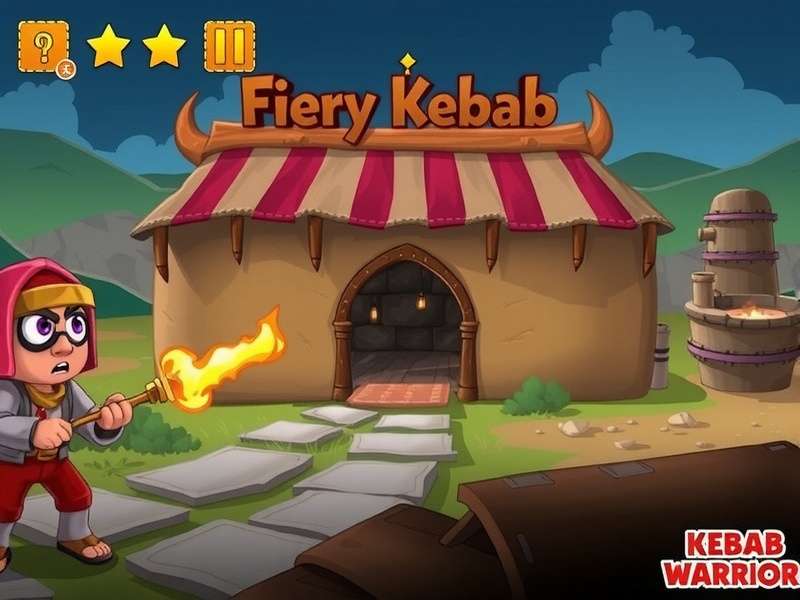
Raju’s dhaba in Lucknow—where the journey to retrieve the stolen kebab recipe begins.
Key Story Twists
As Raju travels across India, he uncovers surprising twists that add depth to the plot:
- The Traitor: Raju discovers that his childhood friend, Vikram, is working for Zorawar. Vikram, once a fellow kebab enthusiast, was lured by Zorawar’s promise of wealth and fame. In a emotional showdown in Mumbai, Raju must defeat Vikram—but instead of fighting, he reminds Vikram of their shared love for desi food. Vikram has a change of heart and helps Raju by revealing Zorawar’s hideout in Hyderabad.
- The True Recipe: Midway through his journey, Raju meets his grandfather’s old apprentice, Chacha Ji, who reveals a shocking truth: the recipe stolen by Zorawar is incomplete. The final ingredient—“Saffron of the Himalayas”—is hidden in Amritsar, and only Raju (as the family’s heir) can retrieve it. This adds a new layer to Raju’s quest: not just to get back the recipe book, but to complete the formula and protect it from Zorawar forever.
- Zorawar’s Motive: In the final showdown, Zorawar reveals that he’s not just after the kebab recipe—he’s seeking revenge. Raju’s grandfather once refused to work for Zorawar’s father, who wanted to commercialize the kebab and strip it of its cultural roots. Zorawar grew up resenting the family, seeing their refusal as an insult to his father’s legacy. This adds a sympathetic edge to the villain, making the final battle more than just a fight over a recipe—it’s a clash between tradition and commercialization.
The climax takes place in Hyderabad’s Charminar, where Zorawar is about to launch his Global Kebab Chain. Raju, armed with the complete Secret Spice Kebab recipe and all the skills he’s learned on his journey, confronts Zorawar in a dramatic battle. Using a combination of his skewer, power-ups, and knowledge of desi spices, Raju defeats Zorawar and reclaims the recipe book.
In the epilogue, Raju returns to Lucknow and rebuilds his dhaba—this time, with help from Vikram and Chacha Ji. The dhaba becomes a national landmark, celebrated not just for its delicious kebab but for Raju’s courage. Zorawar, humbled by his defeat, abandons his fast-food empire and opens a small desi restaurant, vowing to honor Indian culinary traditions. The game ends with Raju serving kebab to a crowd of happy customers, with the tagline: “The best kebab is made with love, spice, and a little bit of courage.”
Characters
Fiery Kebab Warrior features a colorful cast of characters, each with distinct personalities, backstories, and connections to Indian culture. From the humble protagonist to the quirky villains, every character is designed to feel relatable and authentic—reflecting the diversity of India’s people and traditions.
Protagonist
Raju (The Fiery Kebab Warrior): The game’s main character, Raju is a 30-year-old dhaba owner from Lucknow. Tall, with a muscular build and a thick black beard, Raju is known for his kind heart and fierce loyalty to his family’s legacy. He wears a simple white kurta-pajama, a red gamcha (traditional scarf) around his neck, and leather sandals—attire that reflects his humble roots. Raju’s personality is a mix of calm and fiery: he’s patient with his customers but becomes fiercely determined when his family’s recipe is stolen.
Raju’s motivation stems from his love for his grandfather, who taught him everything about kebab-making. He believes that food is not just sustenance—it’s a way to connect with people and preserve culture. This philosophy drives him to fight for his recipe, as he sees Zorawar’s plan to commercialize it as an attack on Indian tradition. In battle, Raju is a balanced fighter: he’s strong enough to take down enemies with his skewer but agile enough to dodge attacks. His catchphrase—“Kebab ki tarah, dil se banaya jaata hai!” (Like a kebab, it’s made with heart!)—has become a fan favorite.
Antagonist
Zorawar Singhania: The game’s main villain, Zorawar is a 45-year-old business tycoon with a passion for power and profit. Tall, lean, and always dressed in expensive suits (often paired with a desi twist, like a silk turban), Zorawar is the CEO of Singhania Foods, a chain of fast-food restaurants that serve “Westernized” versions of Indian dishes (like “Kebab Burgers” and “Curry Fries”). He’s known for his sharp mind and ruthless tactics—he’ll stop at nothing to get what he wants.
Zorawar’s backstory adds depth to his character: he grew up in a wealthy family but felt overshadowed by his father, who was obsessed with surpassing Raju’s grandfather as a culinary icon. When his father died, Zorawar vowed to fulfill his dream—even if it meant stealing the Secret Spice Kebab recipe. Unlike typical villains, Zorawar is not entirely evil: he genuinely believes that commercializing the kebab will “share Indian culture with the world,” though his methods are flawed. In battle, Zorawar is a formidable opponent: he uses a “Royal Kebab Sword” (forged from a vintage tandoor) and can summon minions, launch spice-based attacks, and heal himself using his wealth (he throws gold coins that create a shield).
Supporting Characters
- Chacha Ji: A 70-year-old former apprentice of Raju’s grandfather, Chacha Ji is a wise, white-bearded man who wears a traditional Lucknowi sherwani and a turban. He runs a small spice shop in Delhi and acts as Raju’s mentor throughout the game. Chacha Ji provides Raju with power-ups, tips on defeating enemies, and key plot information (like the location of the missing recipe ingredient). His catchphrase—“Spice se hi strength aati hai, beta!” (Strength comes from spice, son!)—is a nod to Indian culinary traditions.
- Rani: A 25-year-old street vendor from Mumbai, Rani sells samosas, vada pav, and power-ups to Raju. She’s feisty, quick-witted, and has a soft spot for Raju—she often gives him discounts or free items to help with his quest. Rani is also a skilled fighter: she once defended her vada pav stall from Zorawar’s goons using nothing but a rolling pin. Her backstory reveals that she’s saving up to open her own restaurant, and she sees Raju’s fight as a way to protect small businesses from corporate greed.
- Vikram: Raju’s childhood friend, Vikram is a 30-year-old chef who once worked at Raju’s dhaba. He’s tall, slim, and wears a chef’s coat with a Singhania Foods logo (after joining Zorawar’s team). Vikram is a talented kebab maker but struggled with jealousy—he felt that Raju’s success was due to his family’s recipe, not his own skill. Zorawar exploited this jealousy, offering Vikram a job as head chef of his Global Kebab Chain. Despite his betrayal, Vikram has a conscience: he secretly leaves clues for Raju throughout the game, helping him navigate Zorawar’s traps.
- Mother (Maa): Raju’s mother, a 55-year-old housewife from Lucknow, doesn’t appear in the game directly but is a constant source of motivation for Raju. She sends him mango lassi (which becomes a power-up) and leaves him voice messages encouraging him to never give up. Her love for Raju is a recurring theme—she reminds him that “family is more important than any recipe,” even as he fights to protect their legacy.
Enemies
Fiery Kebab Warrior’s enemies are as diverse as India’s street food, each with unique designs and attack patterns:
| Enemy Name | Origin World | Attack Style | Weakness |
|---|---|---|---|
| Tandoor Guard | Lucknow | Throws burning charcoal; swings a tandoor lid as a shield | Paneer Tikka Boost |
| Chaat Bandit | Delhi | Throws spicy chutney; steals Spice Coins | Chutney Blaster |
| Vada Pav Goon | Mumbai | Charges at Raju; slams a vada pav into the ground | Mango Lassi Shield (stuns them) |
| Paratha Warrior | Amritsar | Spins like a top; throws butter-covered parathas | Saffron Saffire |
| Mirchi Marauder | Hyderabad | Spits fire; uses a mirchi (chili) as a sword | Garlic Naan Armor (resists fire) |
Each enemy is designed to reflect the culture of its origin city—for example, the Chaat Bandit wears a Delhi-style tuque and carries a chaat stall on his back, while the Paratha Warrior wears a Punjabi turban and a langar hall apron. This attention to detail makes the game’s world feel immersive and authentic, resonating with Indian players who recognize these cultural references.
Development
The development of Fiery Kebab Warrior is a story of passion, jugaad, and the desire to create a game that celebrates Indian culture. The project began in 2022, when three friends—Arjun Mehta (game designer), Priya Sharma (artist), and Ravi Kumar (programmer)—met at a gaming conference in Bangalore. All three were frustrated by the lack of authentic desi games in the mobile market, which was dominated by Western titles or generic “Indian-themed” games that relied on stereotypes (like gods and kings) rather than everyday culture.
“We wanted to make a game that felt like home,” says Arjun Mehta, the game’s lead designer. “Growing up, we all loved street food—whether it’s kebab in Lucknow, vada pav in Mumbai, or chaat in Delhi. We thought, why not make a game where the hero is a dhaba owner, and the weapons are spices and skewers? It’s relatable, fun, and uniquely Indian.”
Early Concept & Inspiration
The initial concept for Fiery Kebab Warrior was simple: a side-scrolling action game with a food-themed protagonist. However, the team quickly realized that to stand out, they needed to dive deep into Indian culture. They spent three months traveling across India, visiting dhabas, street food stalls, and cultural landmarks to gather inspiration. They took hundreds of photos of kebab makers, tandoors, and street scenes, which would later influence the game’s art style.
One key source of inspiration was Raju’s character, which was based on a real dhaba owner the team met in Lucknow. “His name was also Raju, and he told us stories about his grandfather, who was a royal kebab maker,” Priya Sharma recalls. “He showed us his family’s recipe book, which was bound in leather and filled with handwritten notes. That’s when we knew the plot had to revolve around a stolen recipe—something that’s not just food, but a family’s legacy.”
The game’s power-ups were also inspired by real-life experiences. For example, the Mango Lassi Shield came from a hot summer day in Delhi, when the team drank mango lassi to cool down. “We thought, what if lassi wasn’t just a drink—it was a shield?” Ravi Kumar says. “It’s a fun, desi twist that Western games wouldn’t have.”
Development Challenges
As a small indie studio (Daman Games had only 10 employees at the time), the team faced several challenges during development:
- Funding: The team bootstrapped the project using their own savings and a small crowdfunding campaign on an Indian platform. They raised ₹5 lakhs (approximately $6,000) from backers who loved the concept of a desi food-themed game. “We had to be frugal,” Arjun says. “We worked from a small office in Bangalore, and we often ate at dhabas to save money—ironically, that’s where we got more inspiration!”
- Technical Limitations: Developing a mobile game with high-quality graphics and smooth gameplay on a tight budget was challenging. The team used the Unity engine, which is popular among indie developers for its affordability and flexibility. They optimized the game for low-end devices, ensuring that it would run smoothly on the majority of Indian smartphones (which often have lower specs than Western devices).
- Market Competition: The mobile gaming market in India is crowded, with giants like PUBG Mobile and Free Fire dominating downloads. The team knew they needed to target a niche audience—players who wanted something different from battle royales and generic action games. They focused on marketing the game’s cultural authenticity, highlighting features like desi power-ups and city-based levels.
- Cultural Accuracy: The team was determined to avoid stereotypes and ensure that the game’s portrayal of Indian culture was accurate. They consulted with food experts, historians, and locals from each city featured in the game to ensure that the levels, characters, and references were authentic. For example, the Lucknow world includes references to the city’s famous Awadhi cuisine, while the Amritsar world features elements of Sikh culture (like langar halls and the Golden Temple).
The Daman Games team during the development of Fiery Kebab Warrior—left to right: Arjun Mehta (game designer), Priya Sharma (artist), Ravi Kumar (programmer).
Art & Sound Design
The game’s art style is a blend of traditional Indian art forms and modern arcade aesthetics. Priya Sharma, the lead artist, drew inspiration from Madhubani and Warli paintings, which are known for their bold lines and vibrant colors. The characters are designed with exaggerated features (like Raju’s muscular build and Zorawar’s sharp jawline) to make them stand out, while the levels are filled with intricate details—like hand-painted signs in Hindi, street vendors selling authentic snacks, and architectural landmarks (like the Charminar in Hyderabad).
The sound design is equally immersive, with a soundtrack that blends traditional Indian music with upbeat arcade tunes. The team collaborated with local musicians to create original tracks for each world: the Lucknow world features tabla and sitar music, while the Mumbai world includes dholak and harmonium beats. The sound effects are also desi-themed: Raju’s skewer attacks make a “tink” sound (like a metal skewer hitting a tandoor), while the Mango Lassi Shield plays a refreshing “slurp” sound when activated. Voice acting is done in Hindi with English subtitles, adding to the game’s authenticity—Raju’s dialogue is filled with Lucknowi dialect, while Zorawar speaks in a posh Delhi accent.
Launch Preparation
After 18 months of development, Fiery Kebab Warrior was ready for launch. The team soft-launched the game in India in January 2024, releasing it on the Google Play Store for a small group of beta testers. They collected feedback from over 10,000 players, making adjustments to the gameplay (like balancing the difficulty of boss fights) and adding new features (like the Dhaba Defense mode, which was requested by testers).
The full launch took place on March 15, 2024, coinciding with Holi (the Indian festival of colors). The team partnered with local dhabas and street food vendors to promote the game—players who downloaded the game could get a free kebab or samosa at participating locations. They also ran social media campaigns on Instagram and YouTube, featuring influencers from the gaming and food industries playing the game. The launch was a success: the game reached 1 million downloads within the first week and was featured as “Editor’s Choice” on the Google Play Store.
Reception
Fiery Kebab Warrior has received overwhelmingly positive reviews from players and critics alike, praised for its cultural authenticity, engaging gameplay, and charming characters. Since its launch in March 2024, the game has amassed over 5 million downloads on Android and iOS, with a 4.5/5 rating on the Google Play Store and 4.6/5 on the App Store.
Critical Acclaim
Critics have highlighted the game’s unique premise and attention to cultural detail. Indian gaming website Desi Gamer called it “a breath of fresh air in the mobile gaming market,” writing: “Fiery Kebab Warrior doesn’t just use Indian culture as a gimmick—it celebrates it. From the Lucknowi dialect to the mango lassi power-ups, every element feels authentic and lovingly crafted.”
Western gaming outlets have also taken notice. TouchArcade praised the game’s gameplay, stating: “The side-scrolling action is smooth and satisfying, and the power-ups add a fun twist that keeps the game from feeling repetitive. It’s clear that the developers put a lot of thought into making the game accessible to both casual and hardcore players.”
The game’s art and sound design have also received acclaim. Game Informer noted: “The vibrant colors and traditional Indian art style make Fiery Kebab Warrior stand out from other mobile games. The soundtrack is equally impressive, blending classical Indian music with upbeat arcade tunes that perfectly match the gameplay.”
Player Feedback
Player reviews on app stores highlight the game’s relatability and fun factor. Many Indian players have praised the game for representing their culture accurately:
- “As someone from Lucknow, I love how the game captures the essence of my city! The kebab stalls, the dialect, even the tandoor guards—everything feels so real. 5 stars!” – Google Play review from Riya S.
- “Finally, a game that doesn’t treat Indian culture like a stereotype! The power-ups are hilarious (mango lassi shield FTW) and the gameplay is addictive. I’ve been playing for hours!” – App Store review from Arjun P.
- “My dad used to run a dhaba, so this game brings back so many memories. Raju’s journey feels personal, and the story is heartwarming. Great job, Daman Games!” – Google Play review from Vikram M.
Some players have also praised the game’s accessibility. Unlike many mobile games, Fiery Kebab Warrior is free-to-play with no pay-to-win mechanics—Spice Coins can be earned through gameplay, and power-ups are affordable. “I hate games that force you to spend money to win,” one review reads. “Fiery Kebab Warrior is fair—you can beat the game without spending a rupee, which is refreshing.”
Sales & Downloads
Fiery Kebab Warrior has been a commercial success, especially in India. Within the first month of launch, the game generated over ₹1 crore (approximately $120,000) in revenue through in-app purchases (mostly cosmetic items like costumes for Raju) and ads. The game’s top markets are India (70% of downloads), followed by the United States (10%), Canada (5%), and the United Kingdom (3%)—reflecting the global popularity of Indian culture and street food.
The game has also performed well on social media, with over 1 million views on YouTube gameplay videos and 500,000 posts on Instagram using the hashtag #FieryKebabWarrior. Influencers like CarryMinati and Bhuvan Bam have featured the game on their channels, helping to boost its visibility among younger audiences.
Awards & Nominations
Since its launch, Fiery Kebab Warrior has been nominated for several gaming awards:
- Nominated for “Best Mobile Game” at the 2024 Indian Gaming Awards
- Won “Best Cultural Representation in a Game” at the 2024 South Asian Gaming Expo
- Nominated for “Best Indie Game” at the 2024 Global Mobile Gaming Awards
🏆 Award Win: Fiery Kebab Warrior won “Best Cultural Representation in a Game” for its authentic portrayal of Indian street food culture and its ability to connect with players on a cultural level. The award jury praised the game for “using gaming as a medium to celebrate tradition and bring people together.”
Cultural Impact
Beyond its success as a game, Fiery Kebab Warrior has had a significant cultural impact, serving as a celebration of Indian street food and tradition. The game has resonated with Indians of all ages, from kids who love the action to adults who appreciate the cultural references and nostalgia.
Promoting Indian Street Food
One of the game’s most notable impacts is its role in promoting Indian street food to a global audience. Many Western players have taken to social media to express their curiosity about the food featured in the game—from kebab and samosa to mango lassi and paneer tikka. Some have even tried to make these dishes at home, using recipes inspired by the game.
“I’d never heard of mango lassi before playing Fiery Kebab Warrior,” wrote a player from the United States on Reddit. “I looked up a recipe and made it—now it’s my favorite drink! I also want to try kebab, so I’m planning to visit an Indian restaurant this weekend.”
In India, the game has sparked a renewed interest in traditional street food, especially among younger generations. Many dhabas and street food vendors have reported an increase in customers asking for “Raju’s Secret Spice Kebab” or “Paneer Tikka Boost” (a dish inspired by the power-up). Some vendors have even started selling game-themed items, like “Spice Coin Samosas” or “Mango Lassi Shields” (a larger serving of lassi with a sprinkle of saffron).
Inspiring Desi Game Developers
Fiery Kebab Warrior’s success has inspired other Indian indie developers to create games that celebrate their culture. Before its launch, most desi-themed games focused on gods, kings, or historical events—Fiery Kebab Warrior proved that everyday Indian culture (like street food and dhabas) could be a successful premise.
“Fiery Kebab Warrior showed us that we don’t have to copy Western games to be successful,” says a representative from a small Indian gaming studio. “We can tell our own stories, using our own culture, and people will love it. We’re now working on a game about a chai wallah (tea seller) who goes on an adventure—something that’s uniquely Indian.”
Community Engagement
Daman Games has fostered a strong community around Fiery Kebab Warrior, organizing events and challenges that bring players together. For example, the “Spice Run Challenge” invites players to share their highest scores in the Endless Spice Run mode, with winners receiving prizes like free food from partner dhabas or exclusive in-game costumes.
The team also regularly interacts with players on social media, asking for feedback and incorporating their ideas into updates. For example, after players requested more cities, the team added a bonus world set in Kolkata (known for its rosogolla and puchka) in a June 2024 update. The update also included new power-ups inspired by Kolkata’s street food, like the “Rosogolla Restore” (which heals Raju) and “Puchka Blast” (a explosive attack).
Players at a Fiery Kebab Warrior community event in Delhi—where gaming and street food come together.
Merchandise & Collaborations
To capitalize on the game’s popularity, Daman Games has launched a line of Fiery Kebab Warrior merchandise, including t-shirts, keychains, phone cases, and even a replica of Raju’s skewer. The merchandise features iconic game art and catchphrases, like “Kebab ki tarah, dil se banaya jaata hai!” and “Spice se hi strength aati hai!”
The team has also collaborated with several Indian brands to create game-themed products:
- A partnership with a leading mango lassi brand to create a “Fiery Kebab Warrior Mango Lassi” drink, featuring a special spice blend inspired by the game.
- A collaboration with a clothing brand to release a line of desi-themed t-shirts and hoodies, featuring Raju and other game characters.
- A tie-in with a popular Indian snack brand to create “Spice Coin Chips”—a spicy potato chip flavor inspired by the game’s currency.
These collaborations have helped to expand the game’s reach beyond the gaming community, introducing it to foodies and fashion lovers alike.
Future Updates & Sequels
Daman Games has big plans for Fiery Kebab Warrior, with several updates and a potential sequel in the works. In a 2024 interview, Arjun Mehta revealed that the team is working on a major update that will add a new world set in Chennai (known for its dosa and idli) and a new game mode called “Kebab Cook-Off,” where players compete to make the perfect kebab by collecting ingredients and avoiding obstacles.
The team is also exploring the possibility of a sequel, which would follow Raju as he travels to international cities (like London, New York, and Dubai) to promote authentic Indian kebab and fight a new villain who wants to create a “fast-food monopoly” of global street food. “We want to show that Indian culture can resonate with people all over the world,” Arjun says. “Raju’s journey doesn’t end in India—he’s going to take his kebab (and his skewer) global!”
Stay Tuned for More Fiery Fun!
Follow Daman Games on social media to get the latest updates on Fiery Kebab Warrior—including new levels, power-ups, and sequel announcements. And don’t forget to download the game today to join Raju on his spicy adventure!
Download Fiery Kebab Warrior